Welcome to the PCARS VE Information Website!
This site provides information about our Amateur Radio classes and testing programs.
Testing is in Melbourne, Florida, USA.
For more information and making arrangements with either of the two PCARS testing teams
click on the following buttons:


We have regular scheduled testing for the three levels of FCC Amateur Radio “Ham” licenses in the USA: Technician, General, and Extra Class. Most other countries world-wide have a one, two or three tier licensing system, somewhat similar to the USA. Reciprocal licensing may be available to expatriate American radio amateurs residing elsewhere, who hold a valid license issued by the FCC. In addition, for those FCC licensed hams who are short-term visitors to other countries, short-term reciprocal licensing is a possibility.
What is it that you would like to do with your ham radio license?
Technician licensees may use:
1. VHF and UHF. Your Technician license allows operating on VHF frequencies from 50 MHz up through the microwave bands. You can set up and talk with hams aboard the International Space Station. You can communicate with friends locally through the repeaters or direct with your handheld radio, a mobile installation, or a base station. This operating includes working with local hams on community events like furnishing communications with the March of Dimes, or you can join others who prepare for emergencies including the local Brevard County Sheriff’s Emergency Center. You can also run slow-scan television, fast-scan (real TV) television, moon-bounce, meteor scatter, aurora contacts, etc. You can play with hidden transmitter hunting (fox-hunting), or become a weather-spotter as examples.
2. HF. You can talk on 10 meters on SSB (voice), and if the band is open, you can reach out pretty much internationally. You can talk on CW (Morse code) on 10 meters, 15, 40 and 80. Learning Morse code is not as difficult as it sounds. Morse code can be fun, but it is no longer required for any of the three ham licenses in the US today. That’s not true with all countries…
Many new hams are not interested in doing more than that.
Or, you can upgrade to the next level called the General license. Then there are a lot more avenues:
1. Making SSB contacts on HF on more of the 10 meter band, and 12, 15, 17, 20, 40, 60, 80, and 160 meters.
2. Making CW or digital contacts on those bands plus 30 meters. The digital modes include PSK (which is keyboard to keyboard), JT65, JT9, FT-8, FT-4 and a variety of unusual modes.
3. Make contacts on a variety of those modes with stations all over the world. That is “DXing.” You can run 1,500 watts output, or nothing more than 1 watt output and be surprised where you can reach. When you work 100 different countries, you qualify for the DXCC award.
4. You can try different antennas… everything from stealth antennas your neighbors can’t spot, up through large tower installations. Antennas make the difference. You can have efficient antennas on your car so you can operate from the woods or beach. You can stick a series of telescoping fiberglass poles into the sand at the beach, string up an antenna and work the world. The opportunities are plentiful for joining a local club or two, meeting for breakfast or lunch or dinner with hams in the nearby area, or participate in contests… the largest of those is field-day the last full weekend in June.
The top level of license is the Extra Class license. Then you have all the priveleges on all the ham bands. On the lower end of the CW bands, there is extra territory. Also, on 15, 20, 40, and 75 meters, there are segments in the phone bands which are only allotted to Extra Class.
Age is not a restriction for obtaining a license. Neither is gender, race, religion, political direction, or an infirmity of any kind.
The material covered in the classes and on the exams we offer are based on FCC rules and content in the USA. In other countries, the rules and requirements are often different, but the material on electronics, operating procedures, and radio contruction is common throughout the world.

We have two testing teams for the FCC Exams. They are the ARRL VEC Team ran by Vince Weal, K4JC and the Laurel VEC Team. Both teams ask that you register in advance. It makes it much easier for both you and the Team when you preregister. The links to both teams are at the top of this page.
The schedule for 2026 is as follows:
March 28, 2026 – 11:00 AM. Laurel-VEC
April 8, 2026 – 7:00 PM. ARRL-VEC
May 23, 2026 – 11:00 AM. Laurel-VEC
June 10, 2026 – 7:00 PM. ARRL-VEC
July 25, 2026 – 11:00 AM. Laurel-VEC
August 12, 2026 – 7:00 PM. ARRL-VEC
September 26, 2026 – 11:00 AM. Laurel-VEC
October 14, 2026 – 7:00 PM. ARRL-VEC
October 2026 – Hamfest at the Melbourne Auditorium
November 28, 2026 – 11:00 AM.
December 9, 2026 – 7:00 PM. ARRL-VEC
Click Map for Directions
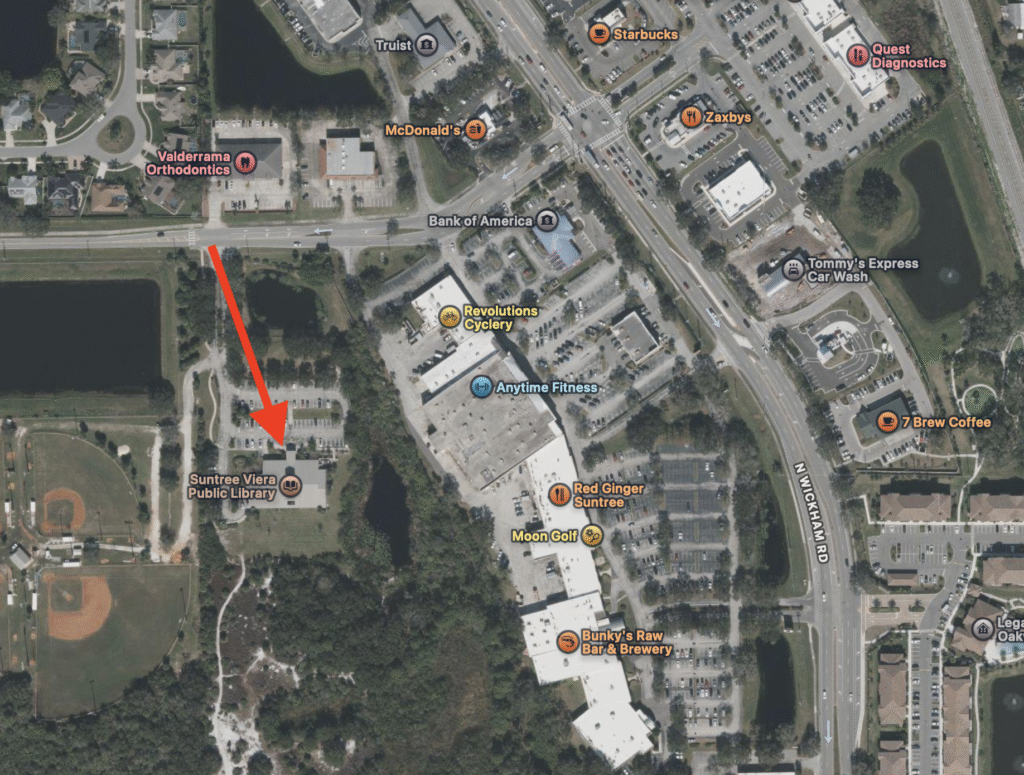
Suntree Public Library
902 Jordan Blass Drive
Melbourne, Florida
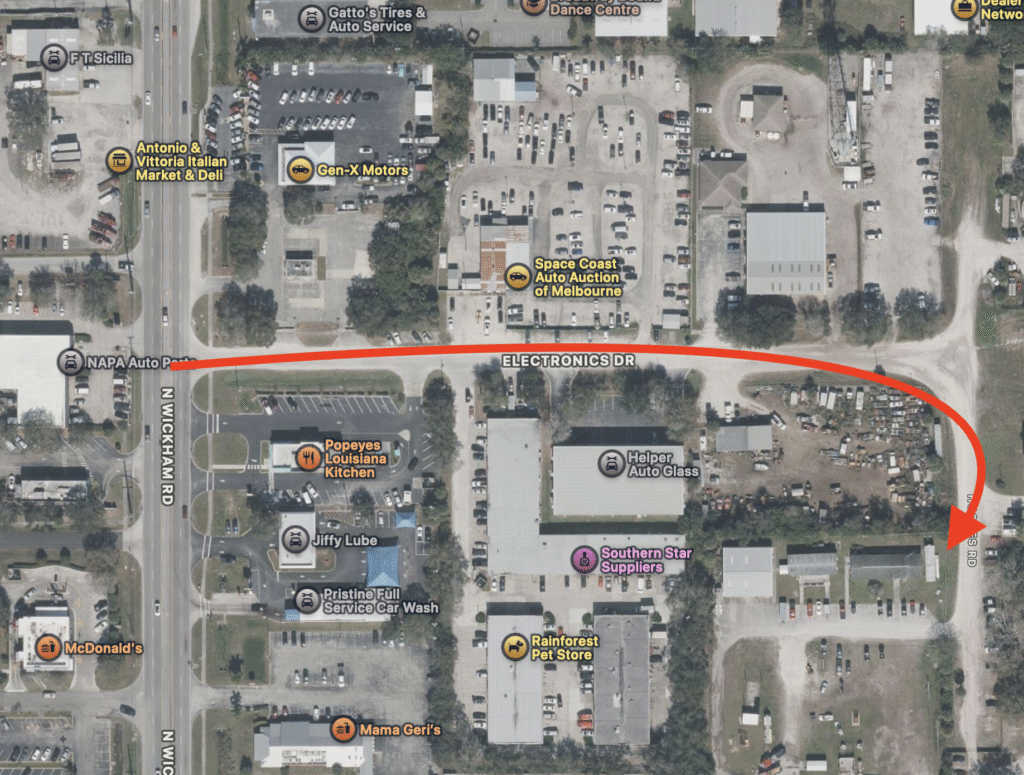
Fire Training Center
1980 Hughes Road
Melbourne, Florida
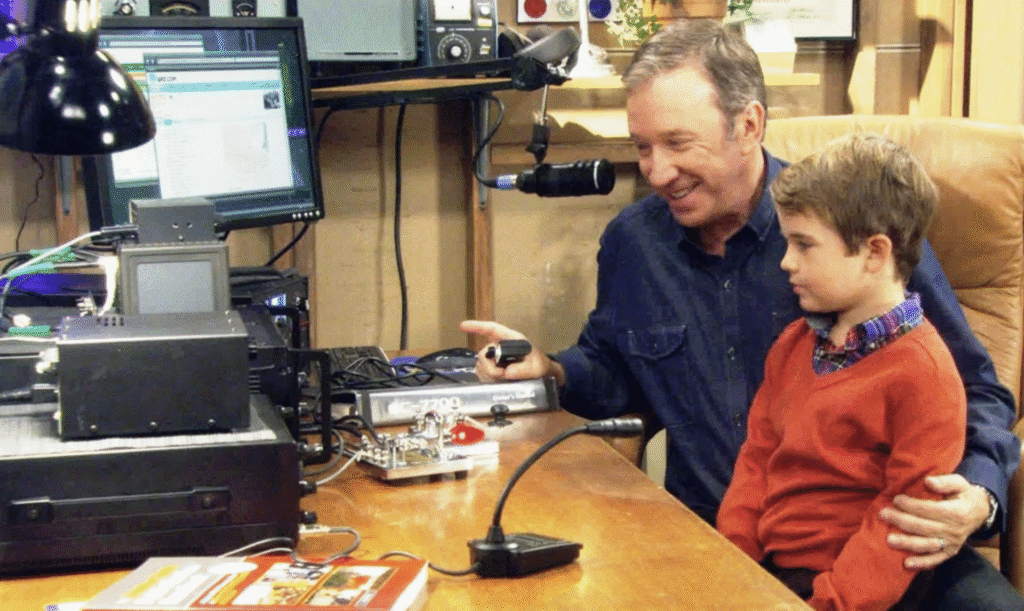
Comedian, Home Improvement, Last Man Standing and Shifting Gears actor Tim Allen pretended to be a ham in the show. He has now passed his Technician exam, for real.
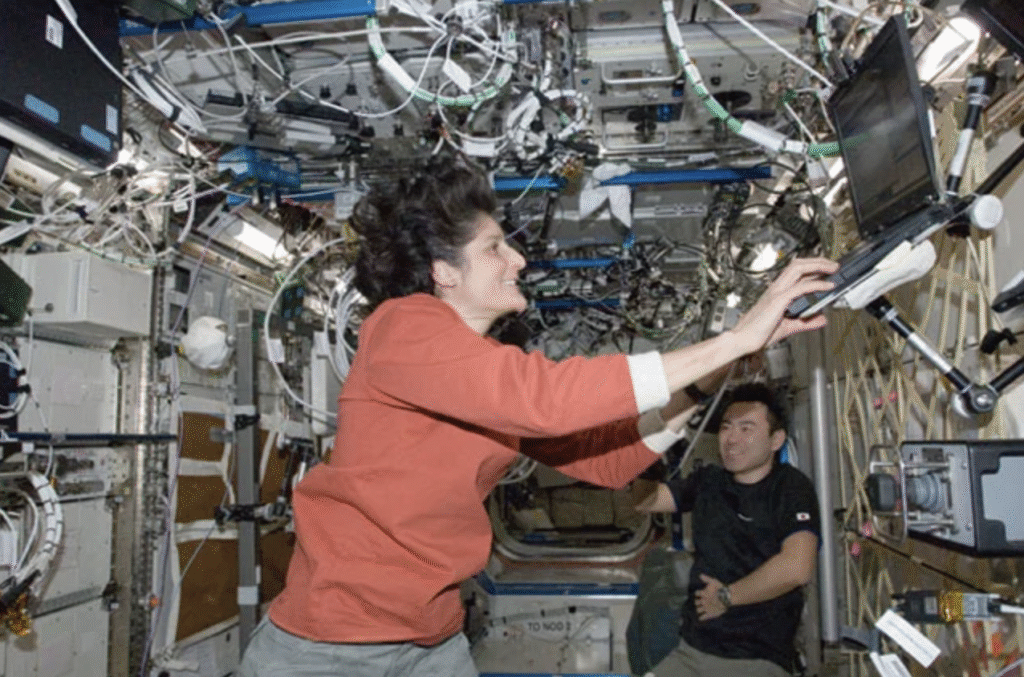
Astronaut Suni Williams talking with students at Flagler Beach, Florida from the
International Space Station via Amateur Radio. This can be done with a Technician license.
PCARS assisted Sone Magnet Middle School in contacting International Space Station. This can be done with a Technician License.